The Wedding Day Field Guide

Plan for presence. Leave room for magic.

A long-form guide shaped by years photographing and filming celebrations across New England, New York City, Ireland, Las Vegas, and destinations worldwide.

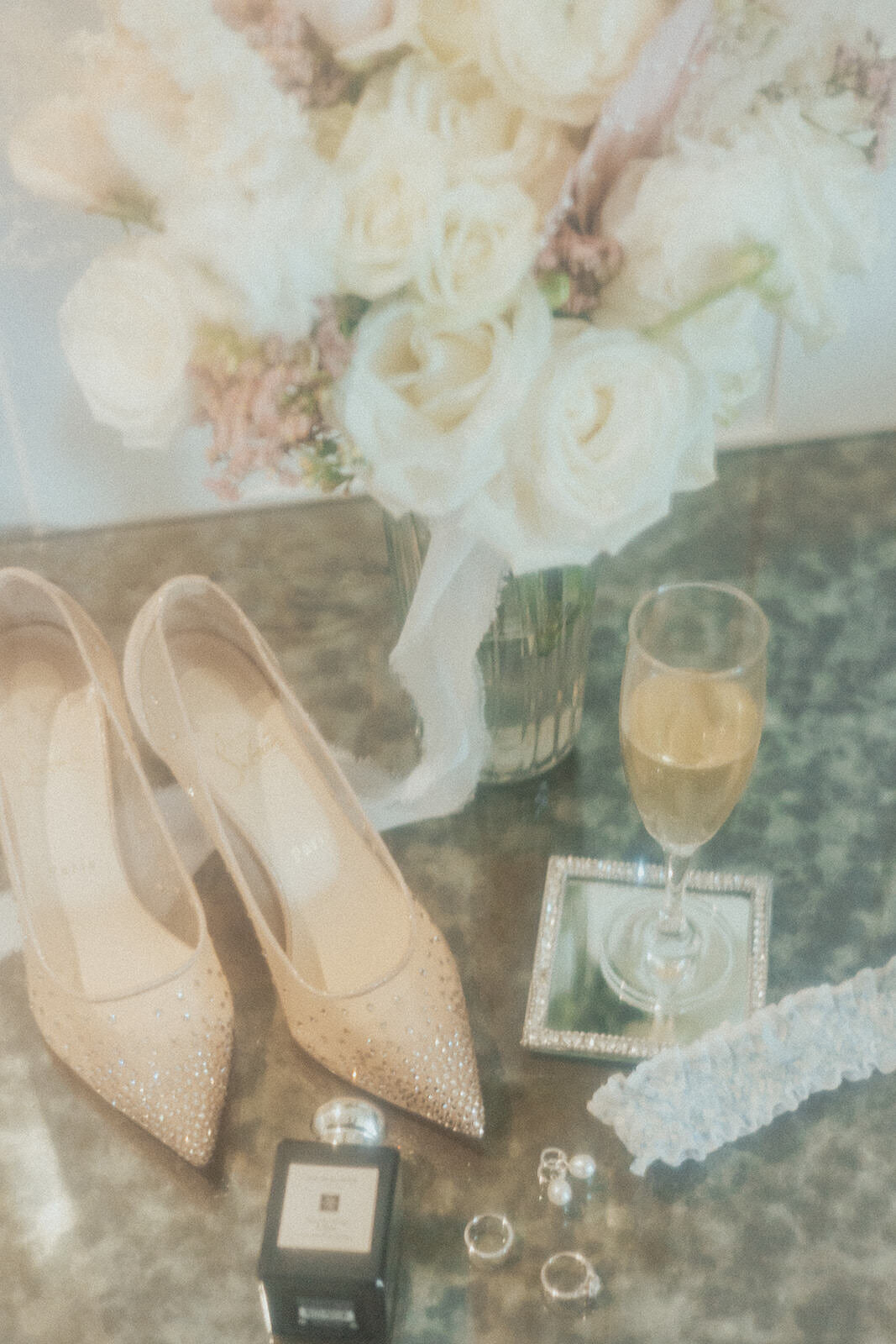
Wedding shoes, flowers, champagne, and Super 8 film photographed by The Combs CreativePlanning, from behind the cameras

A note from Jessica + Corey

This is not a checklist you need to follow perfectly.

It is a set of questions, timing principles, and production truths that help you make decisions with confidence. The day should feel aligned, grounded, and lived, with enough structure to support the people inside it.

The guide

Eight decisions that change the experience.

01

Start with priorities

Before you calculate hours, name the people, moments, voices, places, and atmosphere that make this celebration yours. Coverage follows meaning.

  • Choose three feeling words
  • List five non-negotiable memories
  • Decide what needs stills, movement, or sound
02

Set the day around light

Ceremony time affects portraits, guest comfort, room light, and reception flow. Golden-hour portraits often work best 45–60 minutes before sunset, when the season allows.

  • Check sunset for the exact date
  • Ask where the sun falls at ceremony time
  • Create a weather-safe portrait plan
03

Let getting ready breathe

The final stage of getting ready often carries more feeling than the beauty routine itself: the people helping, the room settling, and the moment the outfit becomes real.

  • Finish hair and makeup before dressing
  • Use the brightest, calmest available room
  • Gather details and remove packaging
04

Choose the reveal that means something

A first look can create privacy, settle nerves, and free cocktail hour. Waiting for the aisle can carry its own weight. Both work when portrait time is honestly protected.

  • Keep a first look private when possible
  • Plan separate portraits for an aisle reveal
  • Leave time to feel before moving on
05

Make family photographs humane

A short named list and a person who knows everyone will do more than a giant collection of vague groupings. Essential combinations first; natural extensions can follow.

  • Use first names and relationships
  • Flag mobility or family dynamics
  • Choose one liaison for each side
06

Protect ceremony sound

For film, sound is part of the image. Private vows, letters, live music, readings, speeches, and surprise performances need to be known before they happen.

  • Tell the film and DJ teams what will be spoken
  • Confirm microphone access and restrictions
  • Keep phones and fabric away from microphones
07

Keep portraits connected to the day

Portraits should feel like a chapter of the celebration, not an interruption. Choose locations for light, meaning, and proximity before choosing them for novelty.

  • Protect a short sunset window
  • Build travel into the schedule
  • Let editorial and documentary frames coexist
08

Give the reception an ending

A complete story usually stays through the final major event and a few songs of open dancing. The right ending might be an exit, an after-party, or simply the room at full energy.

  • Group toasts and formal dances thoughtfully
  • Feed the team when you eat
  • Choose the last documented chapter
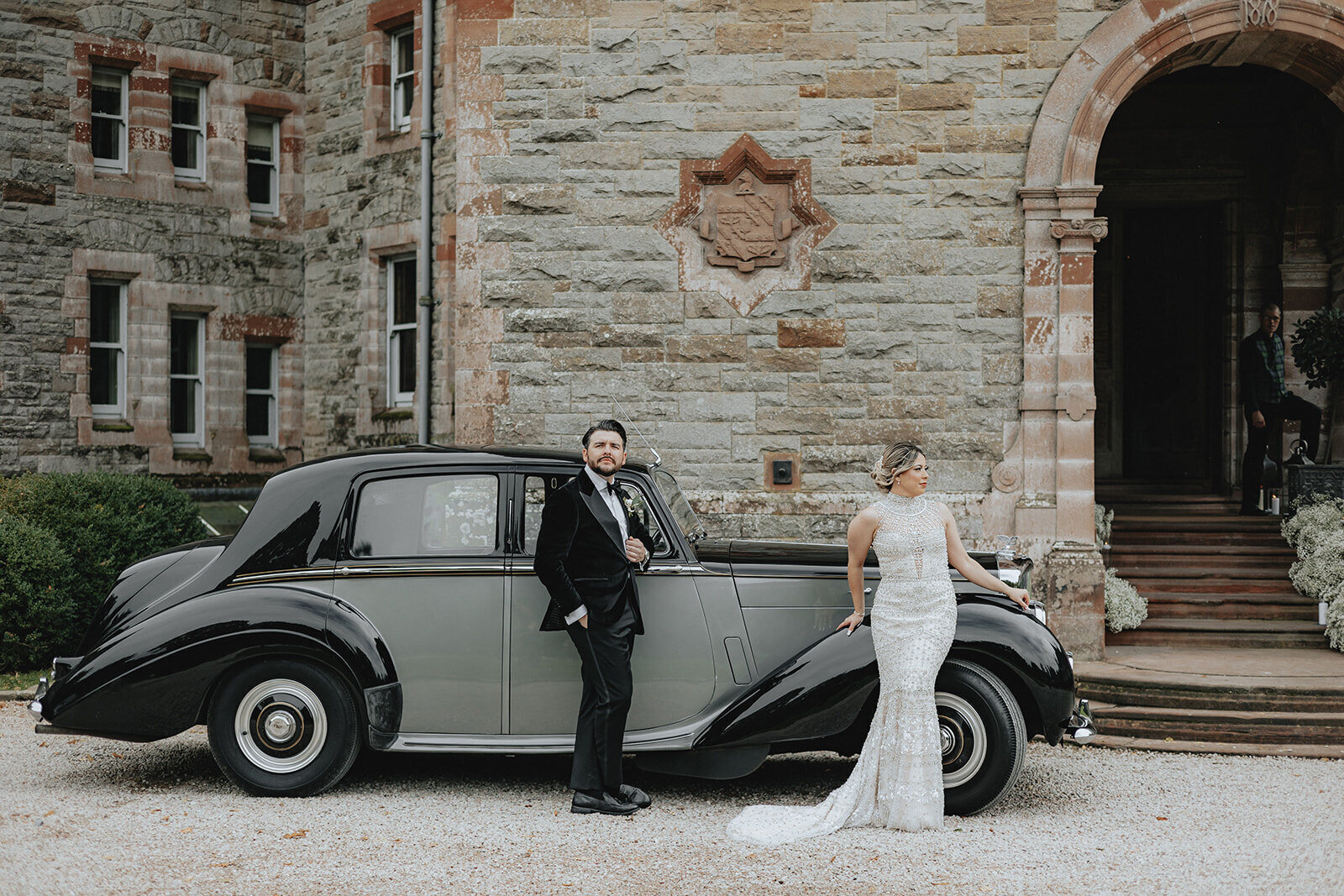
A destination wedding at Castle Leslie in Ireland

Build backward from light. Add the travel. Protect the voices. Name the people. Then leave enough room for the day to surprise you.

The detail box

Gather once. Photograph with intention.

Place everything together before coverage begins so the creative team can work efficiently while you stay with your people.

Paper + personal

Invitation suite, vow books, notes, stationery, fragrance, meaningful objects, heirlooms, and cultural details.

Attire + adornment

Dress or outfit on a thoughtful hanger, shoes, veil, tie, socks, cufflinks, jewelry, watch, and hair pieces.

Rings + florals

All rings together, cleaned and separated from packaging, plus bouquets, boutonnieres, and loose styling blooms when available.

Photography reads composition and stillness.

It preserves gesture, relationship, design, expression, and the visual history that can live on a wall or in an album.

Film reads sound, motion, and pacing.

It preserves voices, vows, laughter, music, and the sensory rhythm that cannot exist in a single frame.