Light
Set ceremony and portrait windows with season, orientation, weather, and sunset in mind.
Timeline studio
Start with the ceremony or session. Then make room for light, travel, people, sound, and the small pauses that keep a celebration from feeling managed.
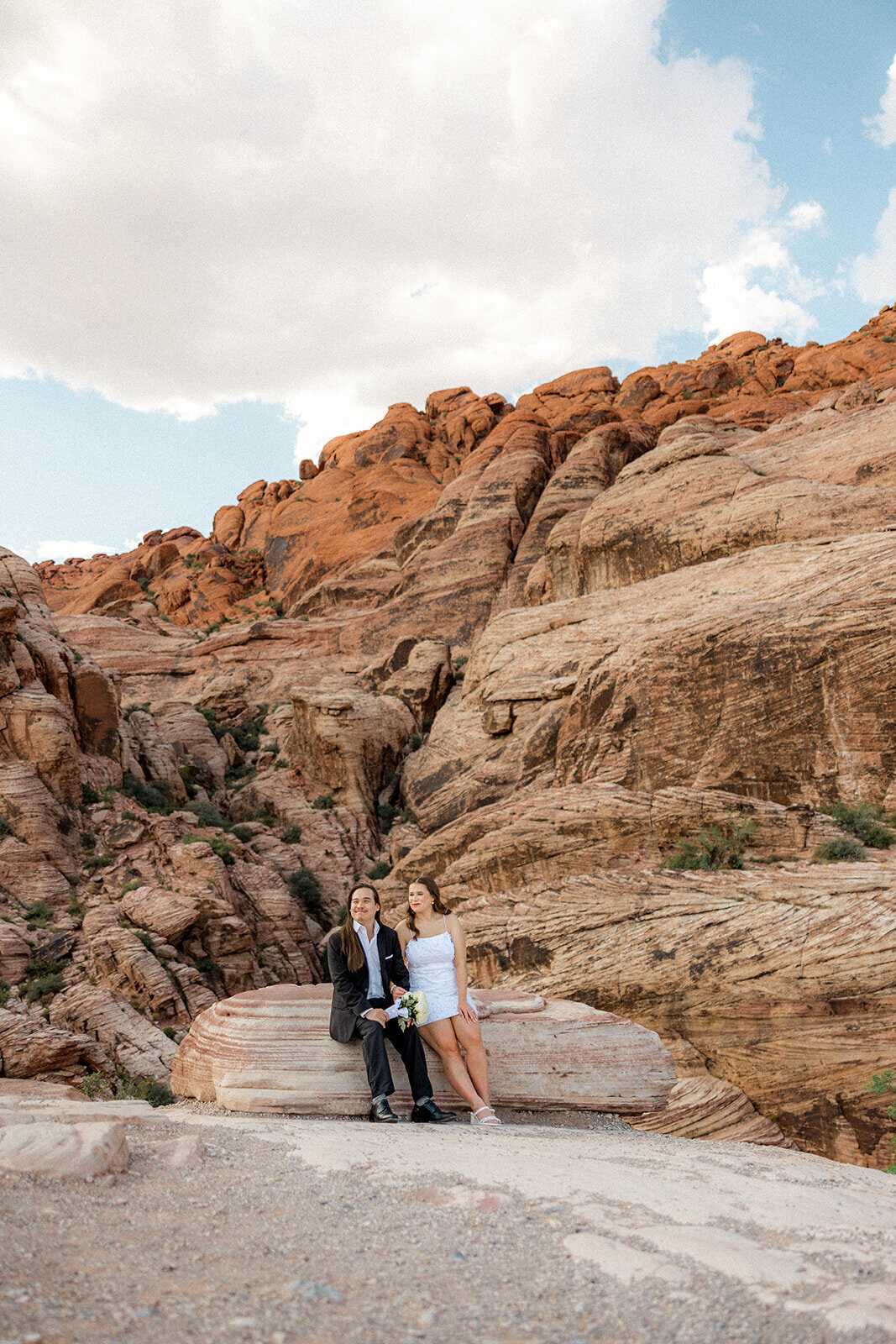 Planning, from behind the cameras
Suggested starting point
A complete wedding-day arc with a first look and reception coverage.
Details, room tone, location, and people gathering.
45 minutesFinal hair and makeup, dressing, letters, and interactions.
65 minutesA private beat with room to feel it.
20 minutesCouple, wedding party, and immediate family.
60 minutesProcessional through the just-married exit.
35 minutesCandids, room details, and remaining groups.
60 minutesEntrances, dinner, toasts, dances, and open floor.
180 minutesThis is a thoughtful estimate, not a final production schedule. Exact timing changes with season, venue rules, travel, accessibility, guest count, traditions, and your vendor team.
The logic behind the schedule
Set ceremony and portrait windows with season, orientation, weather, and sunset in mind.
Include parking, elevators, walking, traffic, trails, transfers, and the time it takes real people to gather.
Give film time to place microphones, capture room tone, and protect vows, letters, music, and toasts.
Family groups take longer when names, mobility, dynamics, or gathering plans are unclear.
A ten-minute buffer can change the feeling of the whole day. Protect it around glam, travel, and ceremony arrival.